
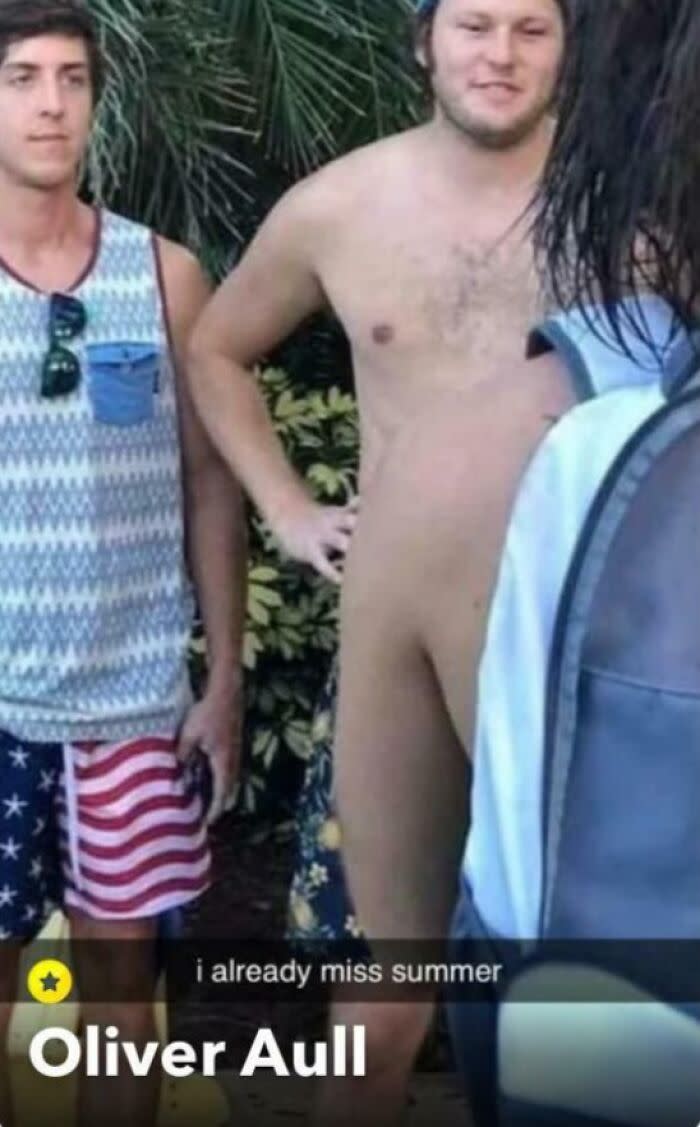
I showed my friend a picture of my nephew playing with our dog… She called animal control thinking I was keeping a half-human mutant locked in my house.
But last Tuesday changed everything.
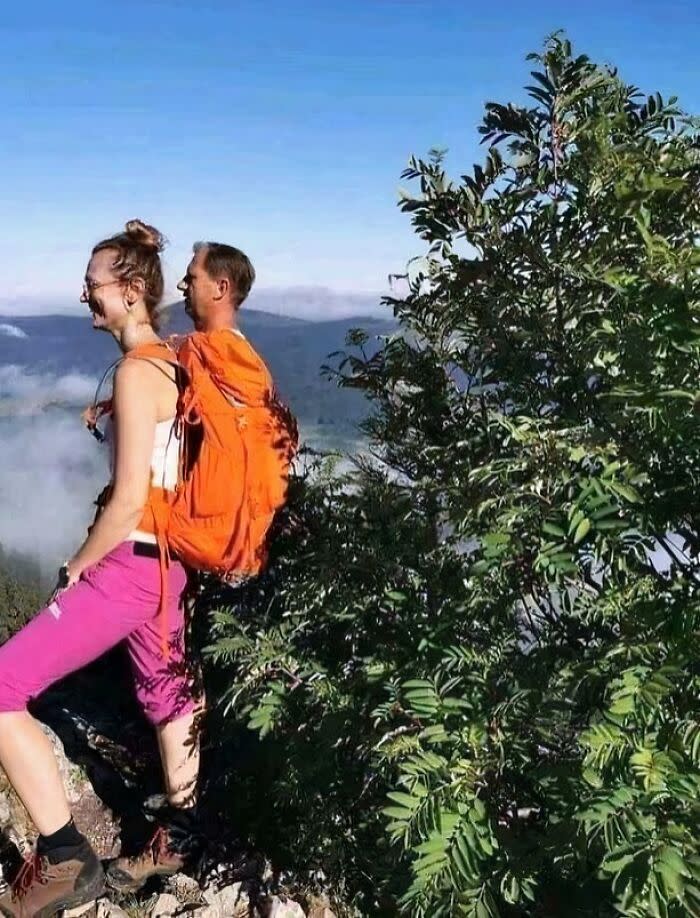
I was scrolling through photos from our weekend hike when my friend Sarah leaned over my shoulder. She has perfect vision. Always has. She’s the person who spots hawks in trees half a mile away while I’m still trying to figure out if that blur is a rock or a raccoon.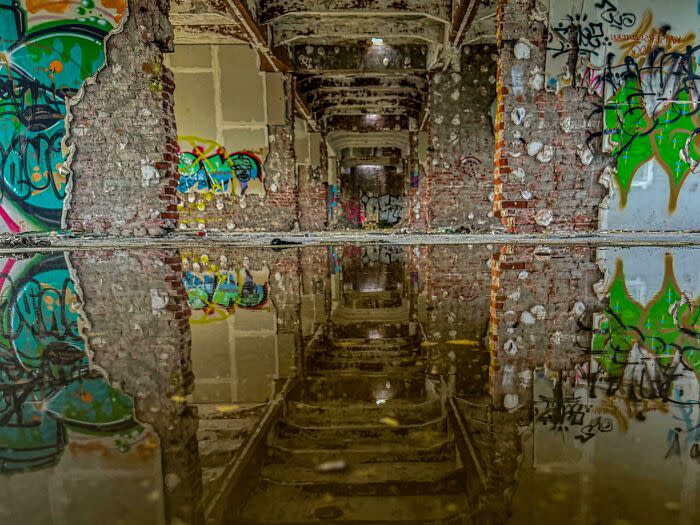
“What the hell is that?” Sarah grabbed my phone.
I looked at the screen. It was just a photo of an owl I’d managed to capture near the trail. “It’s an owl. Pretty cool, right?”
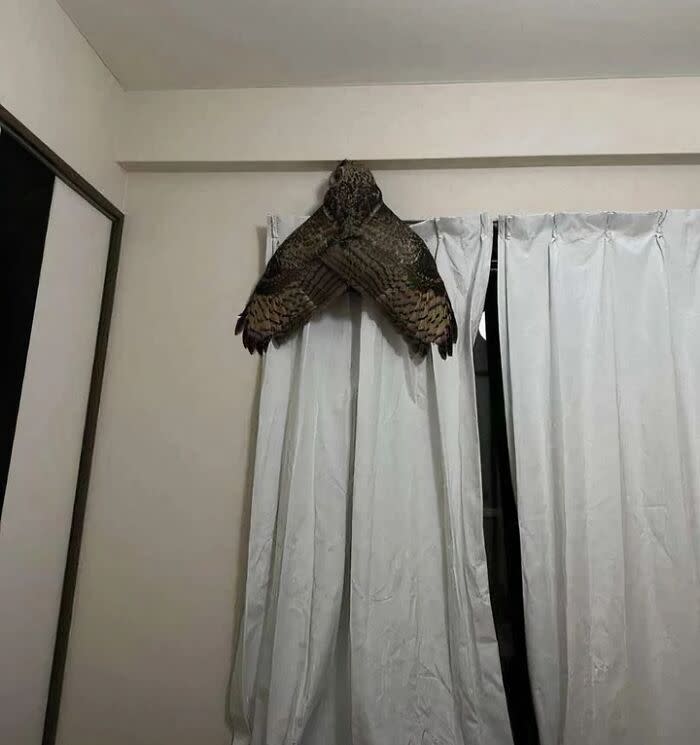
“That’s not an owl. That’s a giant moth the size of a dinner plate.” She zoomed in. “Oh my God. It IS an owl. But from this angle…”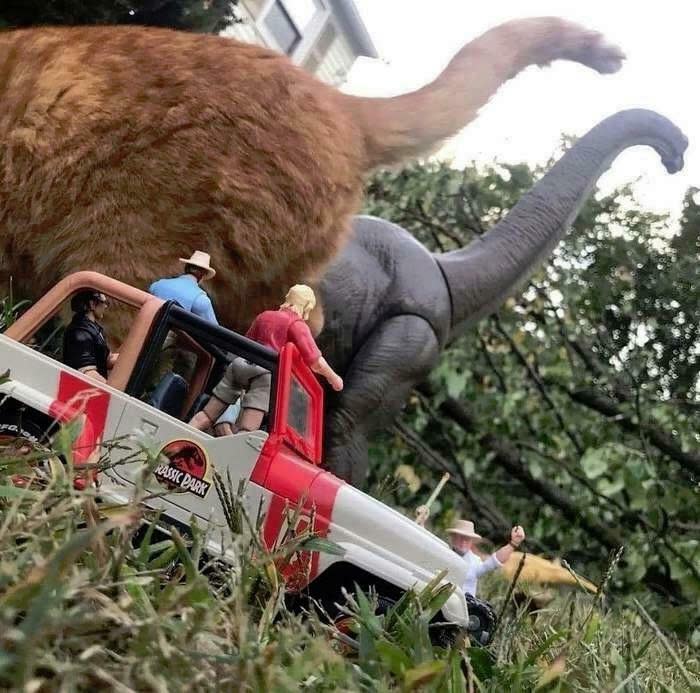
She was right. The way I’d photographed it, the owl’s wings spread out looked exactly like the pattern on a massive moth. My heart rate spiked just looking at it.
That got me thinking about all the times perspective has completely fooled me. Like the photo I took in an abandoned factory last month. I captured a puddle reflection that made the whole building look upside-down and floating. Posted it online and three people accused me of using Photoshop.
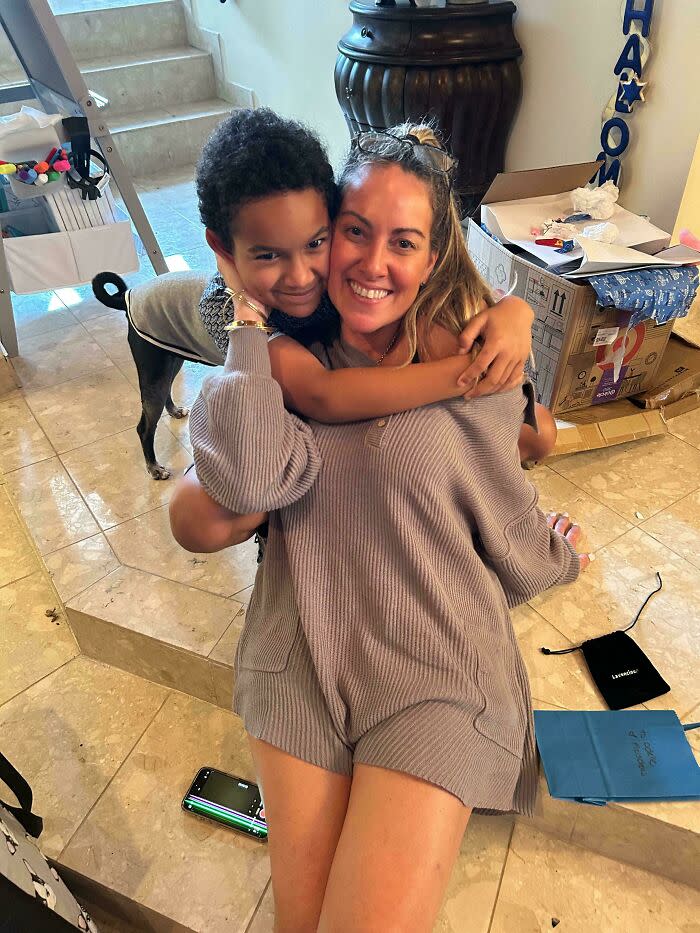
“You need to see this subreddit,” Sarah said, pulling up her phone. “Confusing Perspective. Two million people sharing photos that mess with your brain.“
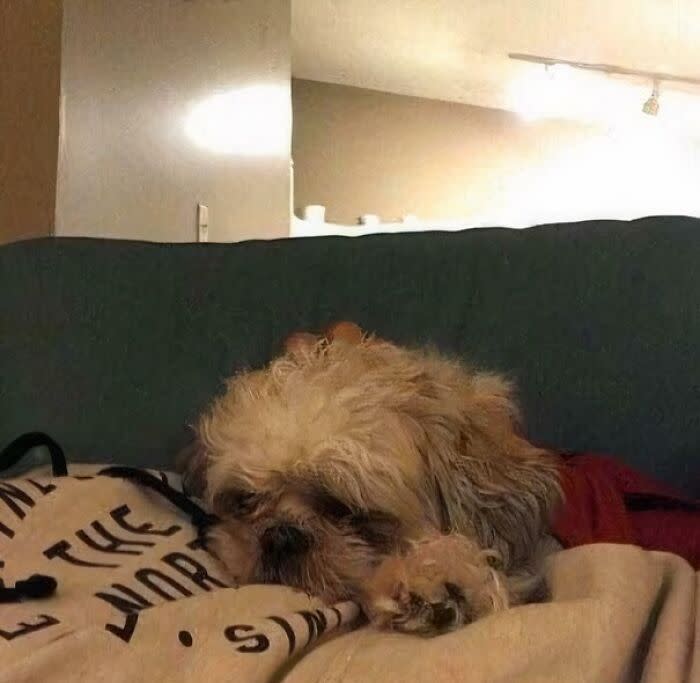
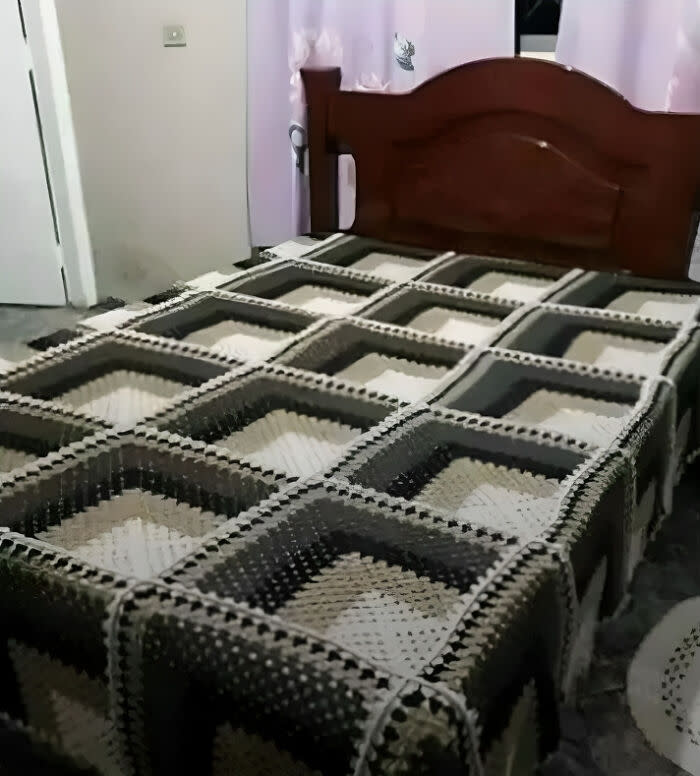
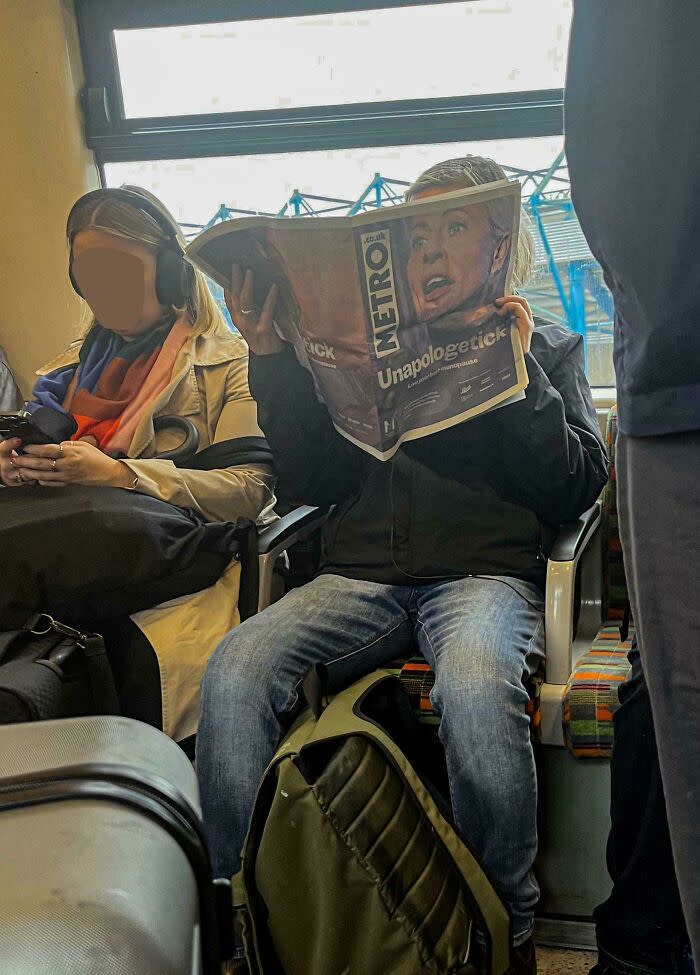
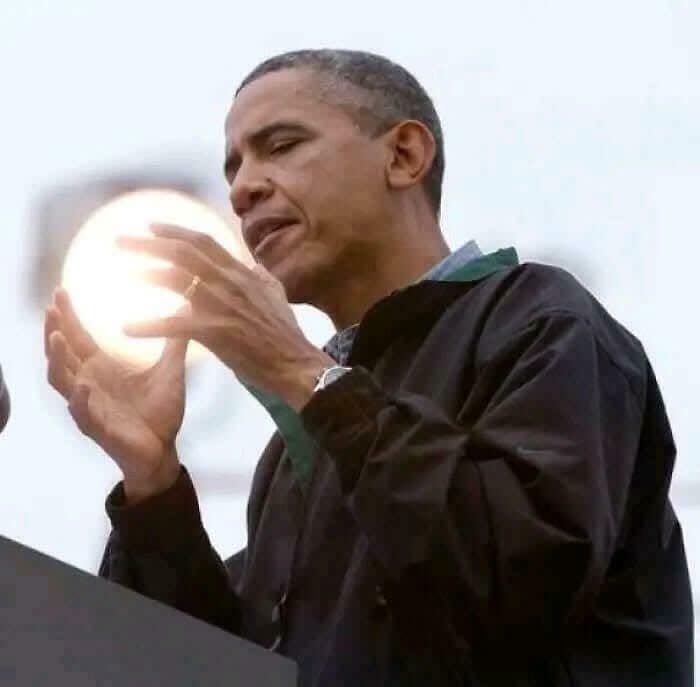
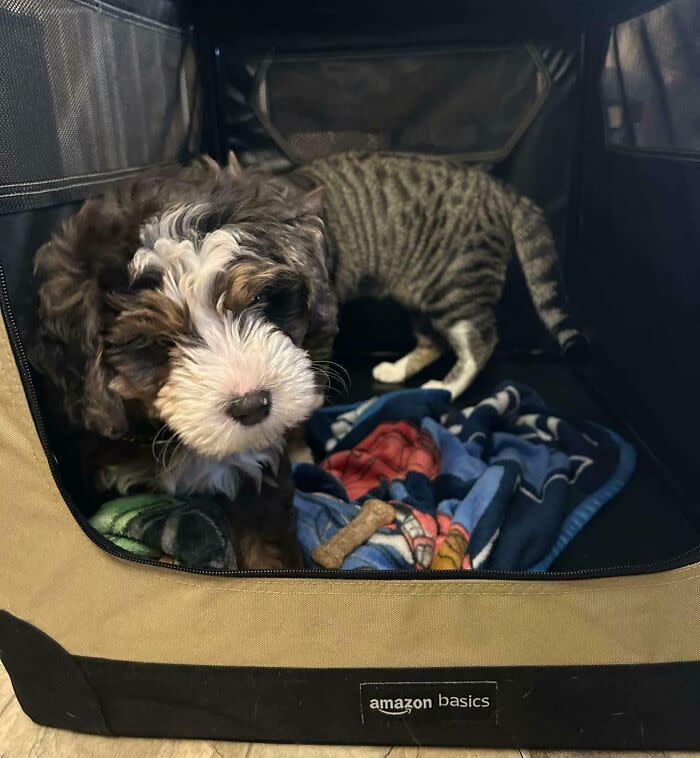
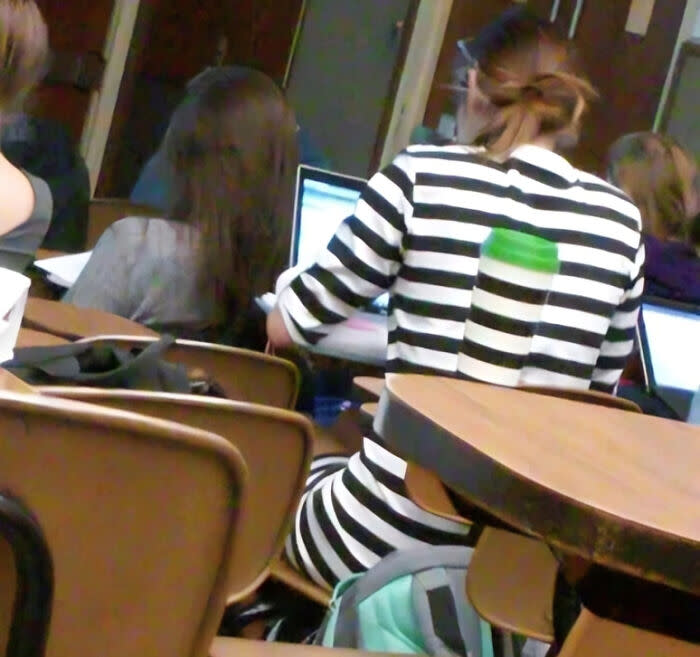
I spent the next hour going down the rabbit hole. There was a dog’s paw that looked exactly like a miniature version of the dog’s face. A three-dimensional blanket that appeared to be hovering in mid-air. A newspaper that seemed completely see-through.
Then I found the one that broke my brain.
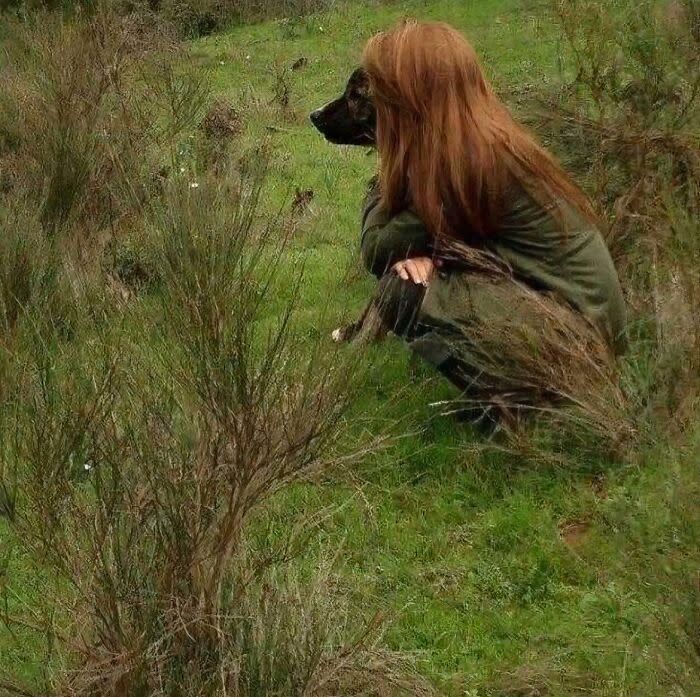
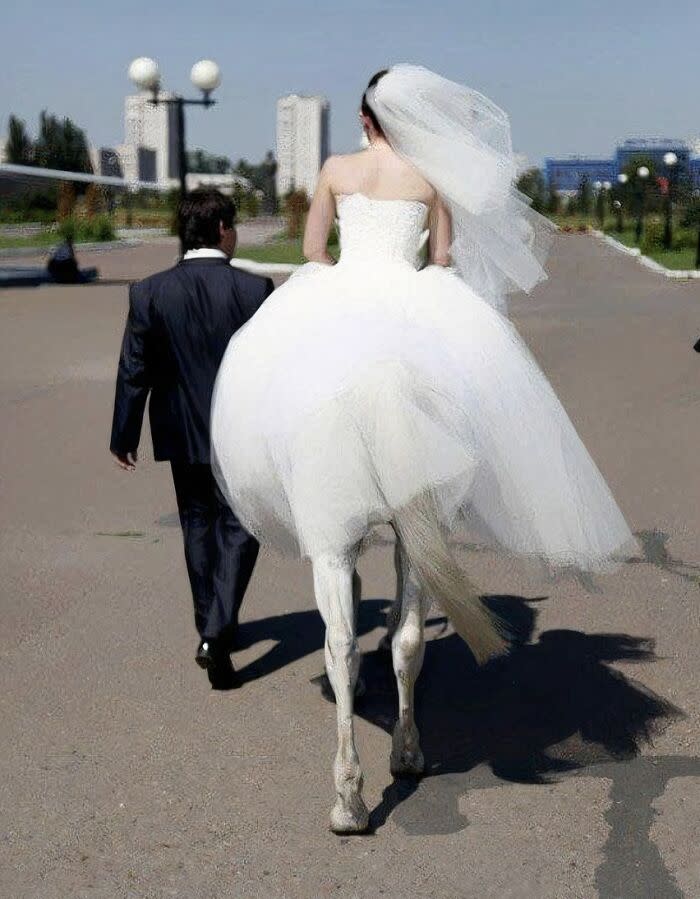
It was a wedding photo. Normal enough, right? Except the angle made it look like the groom was marrying a horse. The bride was positioned perfectly behind the horse’s head, making it appear she had a horse body in a white dress.
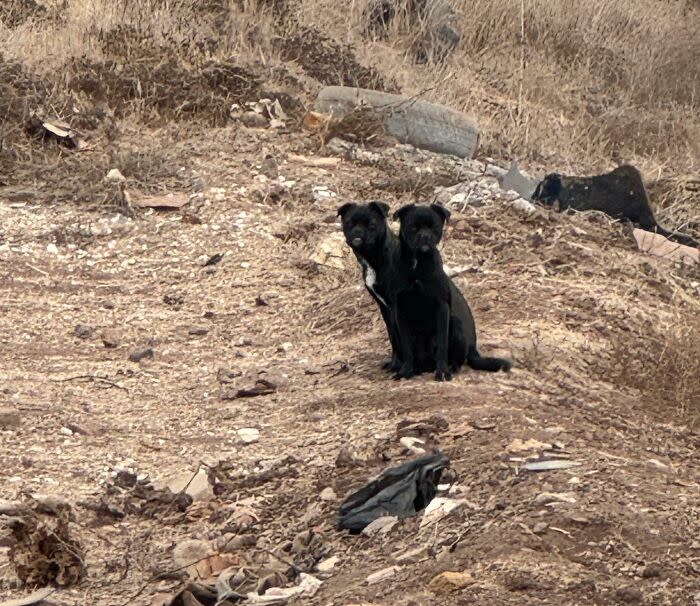
“I’m sending this to my sister,” I laughed. “She’s getting married next month.”
But Sarah had gone quiet. She was staring at another photo I’d taken. The one of my nephew playing with our German Shepherd in the backyard.
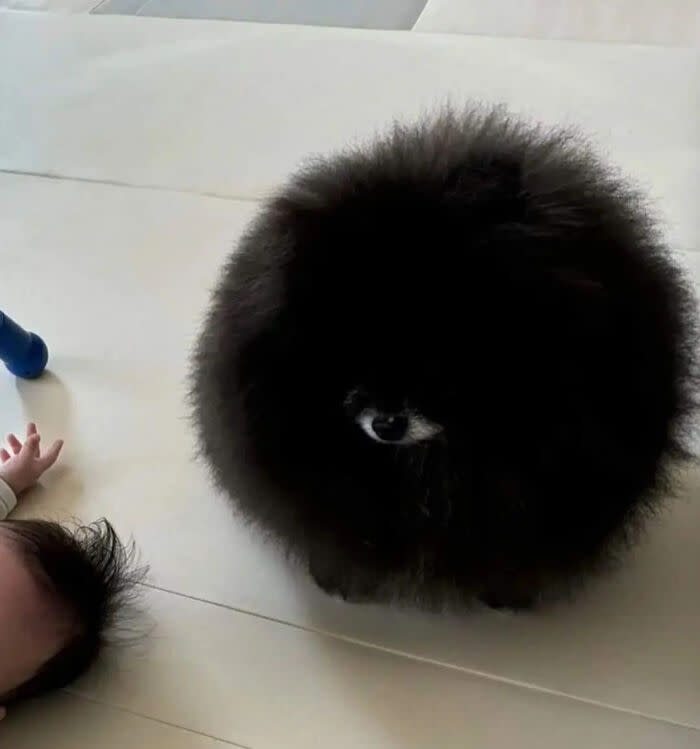
“This is disturbing,” she whispered.
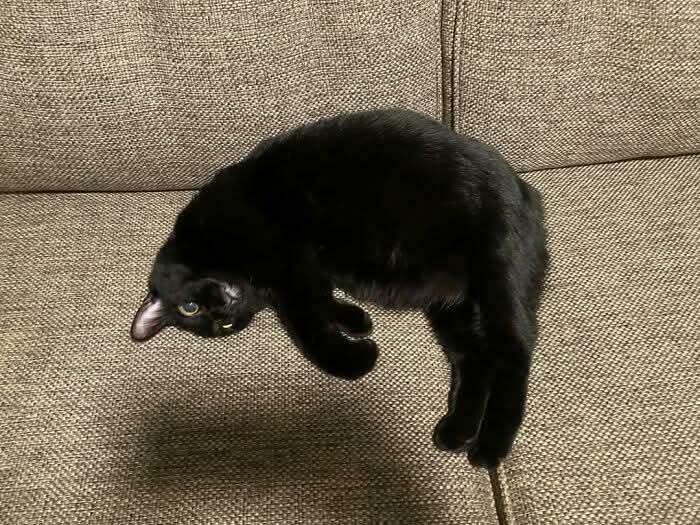
“What? It’s just Tyler and Bruno.”
“Look at the angle. Your nephew’s body is behind Bruno, but his head is visible. It looks like he’s half-dog, half-boy. Like some kind of werewolf transformation.”
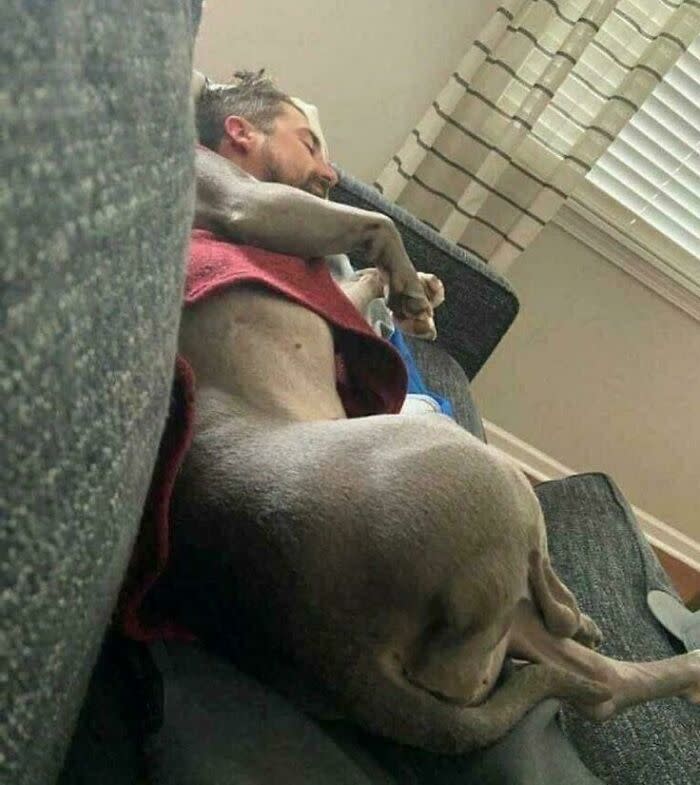
She wasn’t wrong. The way Tyler had been crouching, with Bruno in front of him, created the perfect illusion of a human-dog hybrid. His arms appeared to be Bruno’s front legs. His face poked out right where you’d expect a dog-boy’s face to be.
“That’s actually hilarious,” I said. “I’m posting it.”
“Don’t. People will think you’re keeping a mutant in your house.”
I posted it anyway. Within an hour, I had 500 comments. Most people got the joke. But then the messages started.
“This is animal abuse.“
“That child needs medical attention.“
“I’m reporting you to the authorities.”
I laughed it off. Until my doorbell rang at 9 PM.
Two animal control officers stood on my porch. Behind them, a police car idled at the curb.
“We received multiple reports about an animal-human hybrid being kept at this address,” the older officer said, completely serious.
My jaw dropped. “You’re joking.”
“Sir, we need to inspect your premises.“
I pulled up the photo on my phone. “It’s my nephew and my dog. Look, here’s another angle.” I swiped to the next photo, which clearly showed Tyler standing next to Bruno, both completely separate and normal.

The younger officer squinted at both photos. “Oh. That’s… that’s actually a pretty convincing illusion.”
“Thirteen people called 911 about this,” the older officer said, his expression softening. “One woman said she was a veterinarian and was convinced she was seeing a genetic experiment.“
“I posted it on a confusing perspective subreddit. It’s supposed to be a visual trick.”
They both looked at my phone again. The older officer actually chuckled. “I’ve got to admit, from that exact angle, it really does look like a dog-boy.”
They left after confirming Bruno was healthy and Tyler was fully human. But the incident made local news. “Police Respond to Werewolf Sighting, Find Normal Child and Dog.“
My photo went viral. Not on the confusing perspective subreddit, where people understood optical illusions. No, it spread to Facebook groups full of people who thought I was running some kind of illegal laboratory.
I got calls from three different news stations wanting interviews. A conspiracy theorist YouTuber showed up at my house asking to see my “hybrid collection.” I had to get a cease-and-desist letter sent to someone who claimed I was working for the government on secret experiments.
The breaking point came when my nephew’s school called my sister. A teacher had seen the photo and filed a concern report with Child Protective Services.
“They think Tyler is being subjected to experimental procedures,” my sister screamed into the phone. “A CPS investigator is coming to my house tomorrow!“
I immediately posted a full explanation with multiple photos from different angles. I included diagrams showing exactly how forced perspective works, with arrows and labels. I referenced the Lord of the Rings movies and how they used the same technique to make hobbits look small.
Slowly, the tide turned. A photography professor from the local university did a whole thread breaking down the optical illusion. He used my photo as an example in his class. Suddenly, instead of being seen as a dog-mutating monster, I was being praised for accidentally creating a perfect forced perspective shot.
The confusing perspective subreddit made my photo their top post of all time. Photography magazines reached out for interviews. I even got a job offer from a marketing company that wanted to use optical illusions in their campaigns.
CPS cleared my sister after a ten-minute visit where Tyler demonstrated he was fully human by not having paws. The conspiracy theorist publicly apologized and admitted he needed glasses.
Sarah texted me last night: “So… learned your lesson about posting confusing photos?“

“Absolutely,” I replied. “I learned that people will believe anything if the angle is right.“
“And?“
“And that I should’ve watermarked it. The photo’s being used in a photography textbook and I’m not getting royalties.”
She sent back a laughing emoji. Then: “Want to go on another hike this weekend? Maybe we’ll find another owl-moth.”
I grabbed my camera. “Let’s do it. But this time, I’m taking photos from every possible angle.”
“Boring,” she replied.
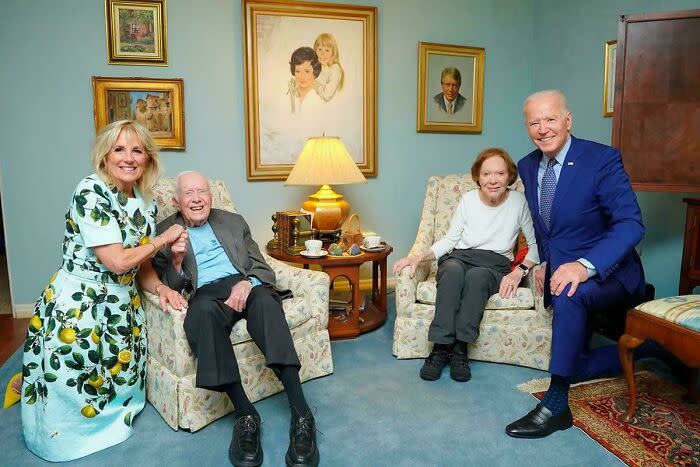
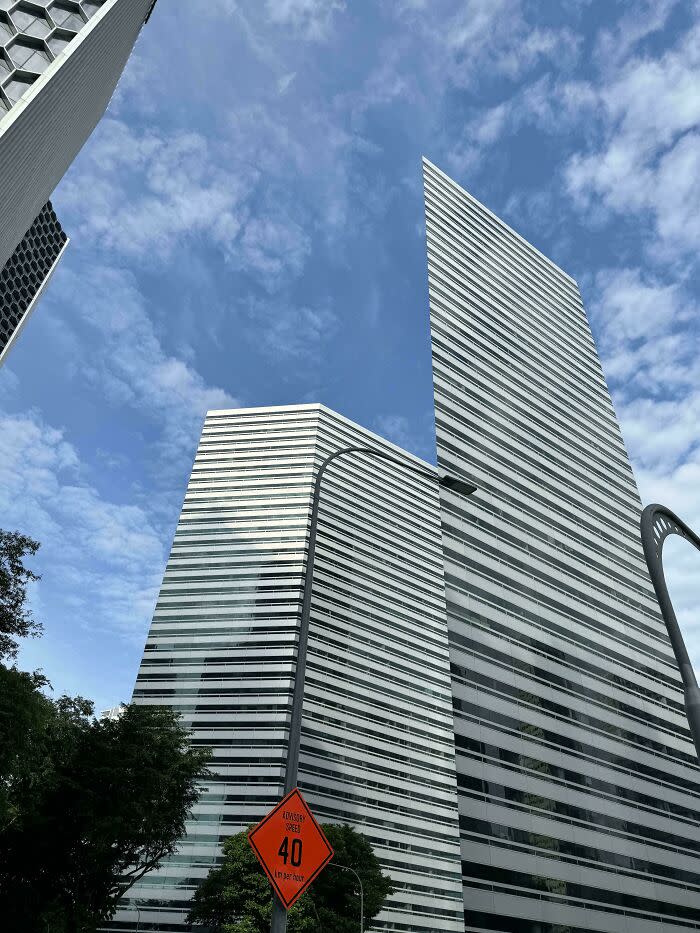
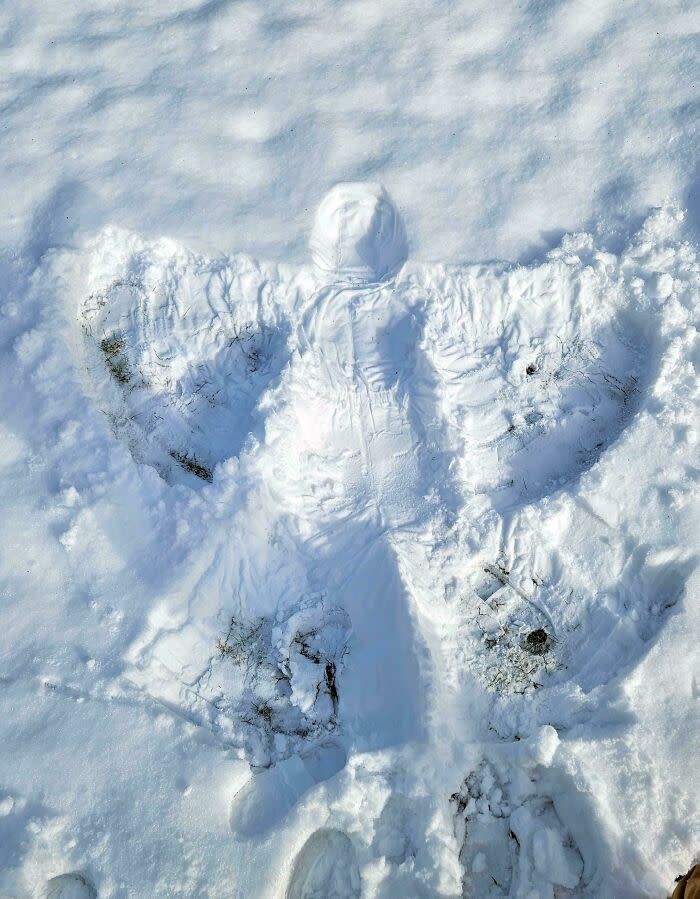
She was right. The most interesting photos are the ones that make your brain short-circuit. The ones where reality bends just enough to make you question what you’re seeing. Where a dog’s paw looks like a miniature dog face. Where a building’s reflection makes it seem two-dimensional. Where a snow angel appears to be climbing out of the ground instead of pressed into it.
Our brains predict based on incomplete information. That’s why optical illusions work. We’re always half a second behind reality, making our best guesses about what we’re seeing. Usually, we’re right. Sometimes, we think a child is fused with a dog and call the police.
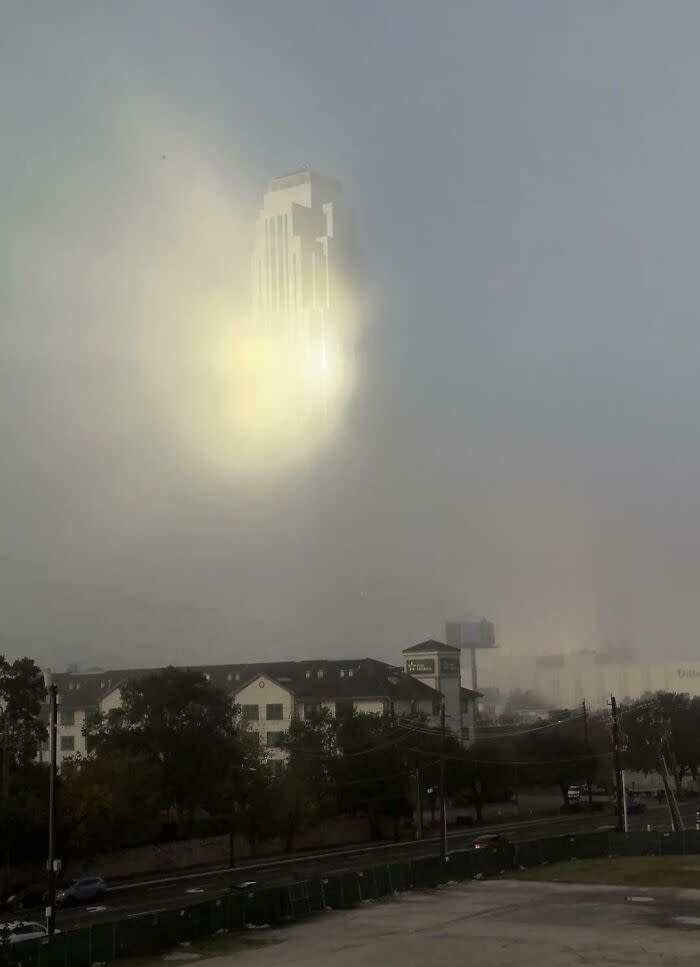
I’ve started a collection now. Photos that mess with perspective. A bottle that looks like it’s committing a crime. A tiny F-15 that appears to be parked on a helicopter blade. Two buildings in fog where you can’t tell which one is closer. A bride who seems to have no legs at all.
Each one is a reminder that seeing isn’t always believing. That our eyes, even Sarah’s perfect 20/20 vision, can be fooled by the right angle, the right lighting, the right moment.
And yeah, sometimes that means animal control shows up at your door. But it also means the world is more interesting than it first appears. Every puddle might contain an upside-down factory. Every shadow might hide a gravity-defying miracle. Every family photo might accidentally create a mythological creature.
I’m keeping the werewolf photo framed on my wall. Tyler thinks it’s hilarious now. Bruno doesn’t care because he’s a dog and doesn’t understand fame.
But every time someone new visits and sees it, I get to watch their brain try to process what they’re seeing. That moment of confusion. The double-take. The slow realization that they’ve been tricked by nothing more than an angle and their own assumptions.
“Is that real?” they always ask.
And I always answer the same way: “Depends on how you look at it.“
